Znaczenie słowa "if "ifs" and "ands" were pots and pans, there'd be no work for tinkers' hands" po polsku
Co oznacza "if "ifs" and "ands" were pots and pans, there'd be no work for tinkers' hands" po angielsku? Poznaj znaczenie, wymowę i specyficzne użycie tego słowa z Lingoland
if "ifs" and "ands" were pots and pans, there'd be no work for tinkers' hands
US /ɪf ɪfs ænd ændz wɜːr pɑːts ænd pænz, ðɛrəd bi noʊ wɜːrk fɔːr ˈtɪŋkərz hændz/
UK /ɪf ɪfs ənd ændz wɜː pɒts ənd pænz, ðeəd bi nəʊ wɜːk fə ˈtɪŋkəz hændz/
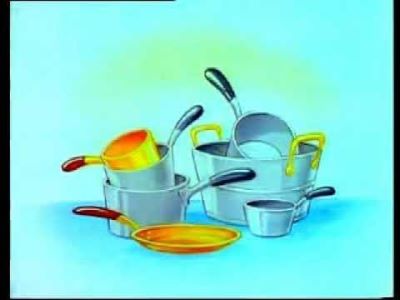
Idiom
gdyby babcia miała wąsy, toby była dziadkiem
a traditional nursery rhyme or proverb used to dismiss someone's excuses or hypothetical wishes, suggesting that wishing for things is useless without action
Przykład:
•
I know you wish you had started earlier, but if "ifs" and "ands" were pots and pans, there'd be no work for tinkers' hands.
Wiem, że żałujesz, że nie zacząłeś wcześniej, ale gdyby kicia nie skakała, toby nóżki nie złamała.
•
Stop making excuses; if "ifs" and "ands" were pots and pans, there'd be no work for tinkers' hands.
Przestań się tłumaczyć; gdyby babcia miała wąsy, toby była dziadkiem.